Picture this: you haven’t won a major title since the ’90s. Haters are constantly roasting you, and memes about your failures rack up millions of likes. Sounds like a brand disaster, right?
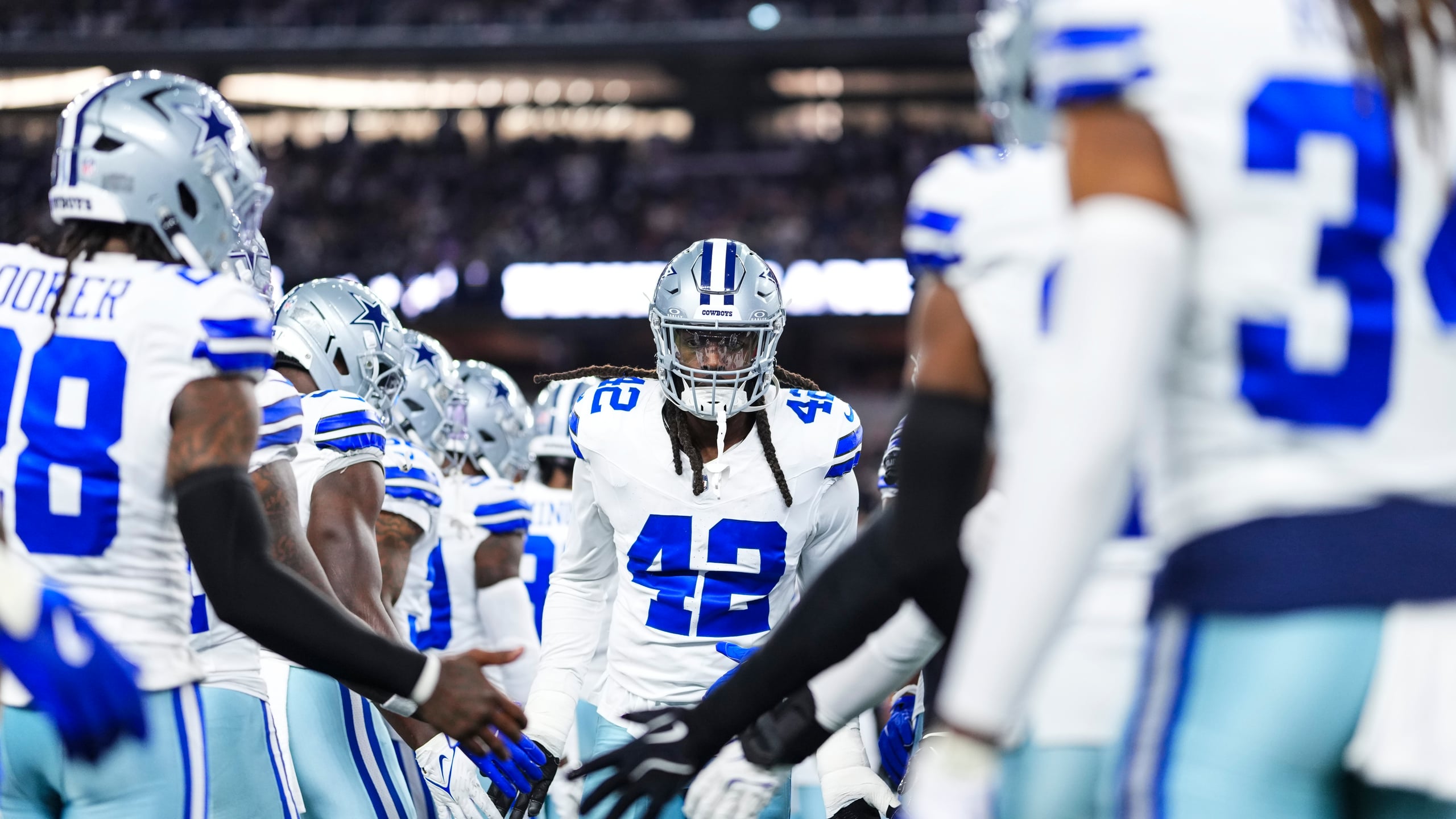
Now imagine that despite all that, your project is worth $13 billion, leaving Real Madrid, the Lakers, and the Yankees in the dust.Welcome to the world of the Dallas Cowboys — the most valuable sports franchise on the planet. How do they make billions while others are chasing cups? The secret lies in a genius business strategy.
1. An Investment That Outperformed Crypto
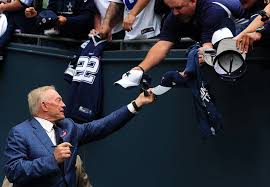
It all started in 1989 when businessman Jerry Jones bought a losing team for $140 million. Back then, people thought he was crazy—the NFL wasn’t generating huge money, and the team was in crisis.
Today, the ROI (Return on Investment) on that deal is over 8,500%. That’s better than buying Bitcoin at the very start. Jones understood what other owners didn’t: sports isn’t just a game; it’s a global entertainment industry.
2. The Stadium as an Infinite Money Printer
AT&T Stadium isn’t just a field with grass where people watch football twice a month. It’s a massive event hub.
- Open 365 days a year: When there’s no football, the stadium pumps out money from other events. Taylor Swift concerts, top-tier boxing matches, esports tournaments, and motocross. The stadium never takes a day off.
- Merch Monopoly: This is the Cowboys’ ultimate “cheat code.” While the other 31 NFL teams throw their merchandise revenue into a shared pot to be split equally, Dallas fought for the right to sell their own jerseys and caps independently. All the cash from those sales goes straight into their pocket.
3. Real Estate: The Hidden Level of Monetization
The team went beyond stadiums and built their headquarters, The Star in Texas, for $1.5 billion.
But it’s not just a fancy gym for athletes. It’s a whole commercial district: hotels, office centers, restaurants, a clinic, and retail stores. Essentially, a sports brand became a major real estate developer. Even if the team stopped playing tomorrow, The Star would continue generating millions in net profit from rent and commerce. That is pure revenue diversification.
4. Attention = Money (Hype as a Business Model)
The Dallas Cowboys are unofficially known as “America’s Team.” They are the NFL’s biggest influencers.
Jerry Jones proved a key rule: it doesn’t matter if they praise you or roast you, as long as they’re talking about you. Even in bad seasons, Dallas games pull in insane TV ratings. And where there’s maximum audience attention, there are the fattest ad contracts. Brands like Ford, Pepsi, and AT&T pay hundreds of millions just to have their logo next to the Cowboys’ star.
The Bottom Line: What Can We Learn from This Case?
Trophies and gold medals are cool for the ego and history books. But for real business, what matters more is a strong personal brand, independence from a single income source, and the ability to sell emotions.
The Dallas Cowboys proved that smart management and marketing can make you a champion on the Forbes list, even if you haven’t been first on the field in a long time.