
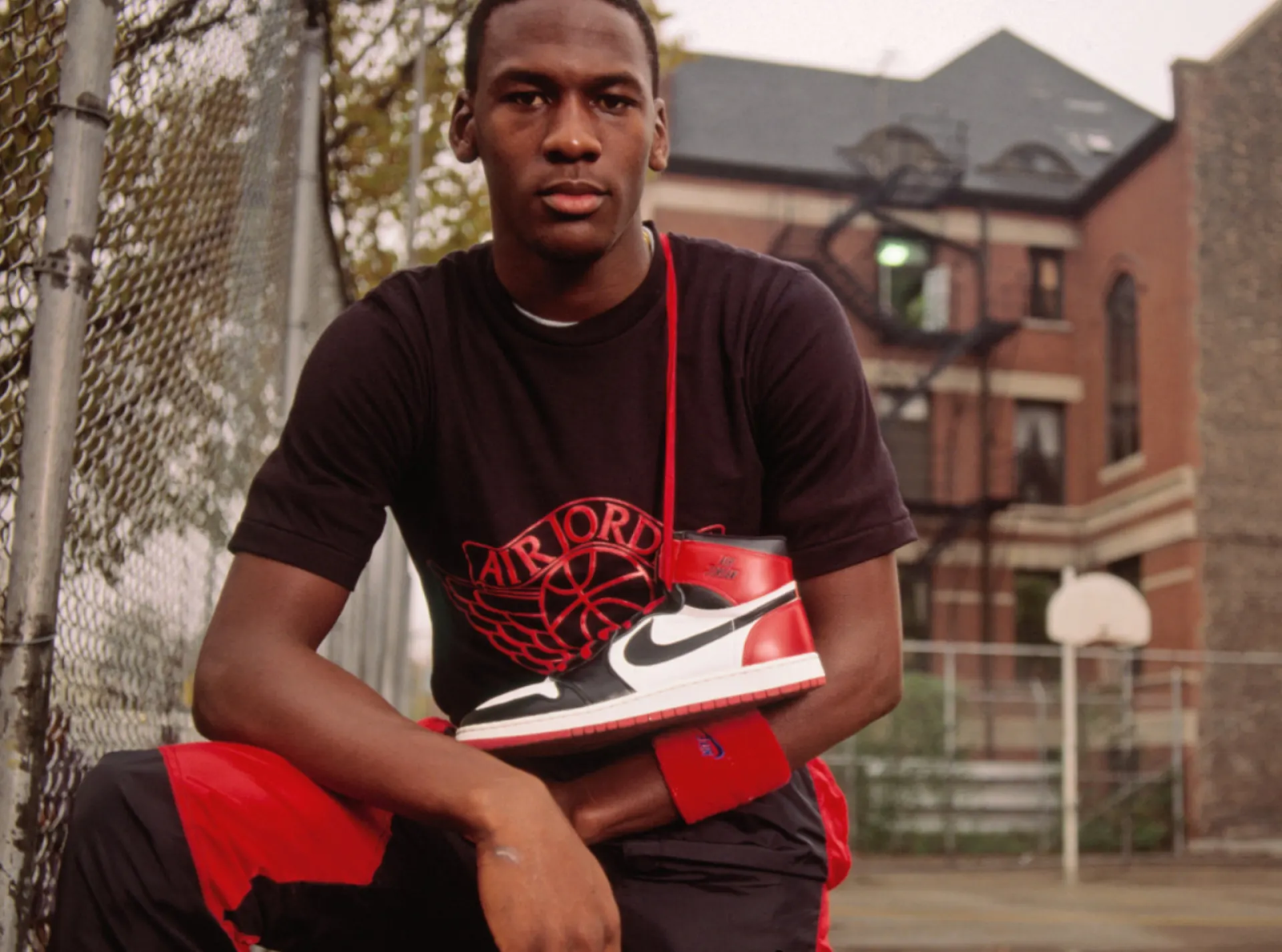
In 1984, an NBA rookie named Michael Jordan stepped onto the court. While every superstar was wearing Converse or Adidas, Jordan, through a visionary yet risky contract with a then-lesser-known basketball company called Nike, wasn’t just endorsing footwear—he was building an empire.
The agreement between Michael Jordan and Nike didn’t just catapult Nike to the top of the global sports industry. It fundamentally rewrote the rules of sports marketing, transforming athletes from mere brand ambassadors into full-fledged business partners and billionaires.
1. The Revolutionary Deal: From Endorser to Partner
In 1984, standard endorsement contracts for NBA rookies were around $100,000 per year. Nike, desperate to establish a foothold in the basketball market, took an unprecedented leap [^1]:
- Record-Breaking Advance: Nike offered Jordan a five-year contract with a base salary of $500,000 annually [^1], which was 3 to 5 times higher than the biggest deals at the time.
- Co-Creation and Royalties: The most critical element was that Jordan was offered his own signature shoe line, Air Jordan, along with a 5% royalty on the net revenue from every sale [^2].
This clause was revolutionary. For the first time, a company gave an athlete not just a fee, but a stake in the business. This transformed Jordan from a hired star into an evergreen partner who benefited from every single item sold.
2. The Marketing of the “Ban” and Immediate Explosion
At the beginning of the partnership, Nike took a gamble, conservatively expecting to sell $3 million worth of shoes in the first four years [^3]. The actual results were astounding:
- Controversy as Marketing: The NBA famously banned [^4] Jordan from wearing the red and black Air Jordan 1s because they violated the league’s uniform code, fining him $5,000 every time he wore them.
- Nike’s Genius Move: Nike immediately spun the fine into an iconic advertising campaign: “The NBA threw them out of the game. Fortunately, the NBA can’t stop you from wearing them.”
- Financial Success: The scandal and the image of rebellion worked. In the first year alone, Air Jordan sales soared to $126 million [^3], blowing past expectations by a factor of 40
3. Changing the Game for All Athletes
The success of Air Jordan permanently changed the dynamic of the athlete-brand relationship, ushering in a new era of possibilities:
|
Old Model (Pre-Jordan) |
New Model (Post-Jordan) |
|
Endorser (Athlete merely wears the product) |
Co-Creator (Athlete has their own brand/line) |
|
Fixed fee or short-term contract |
Royalties from sales and evergreen deals |
|
Endorsement income less than team salary |
Endorsement income multiple times team salary [^9] |
|
Brand focus on teams or leagues |
Focus on the individual athlete as a global brand |
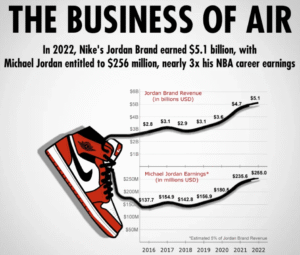
Michael Jordan became the first athlete whose brand became more lucrative than his playing salary. According to some reports, Jordan earned $256 million [^9] in royalties from Nike in 2022 alone—nearly three times his total $93.6 million career earnings from his 15 years in the NBA.
4. The Legacy: Jordan Brand and the Next Generation
In 1997, Nike spun off the Jordan Brand into its own successful sub-division. Today, it is a global powerhouse, generating $5.1 billion in annual revenue in 2022 [^10].
Jordan’s ultimate legacy is that he set the template for next-generation superstars:
- LeBron James, Kobe Bryant, Cristiano Ronaldo, and Serena Williams—all have secured highly lucrative, long-term, or even lifetime contracts that include a cut of sales or creative collaboration.
- Sonny Vaccaro, the Nike executive who signed Jordan, aptly summarized the impact: “Michael opened every marketing dollar in the world for every future athlete” [^11].
Thanks to Michael Jordan, athletes ceased being mere spokespeople. They became genuine business magnates whose economic value is measured not only by their victories but by the billions generated by their personal brand.