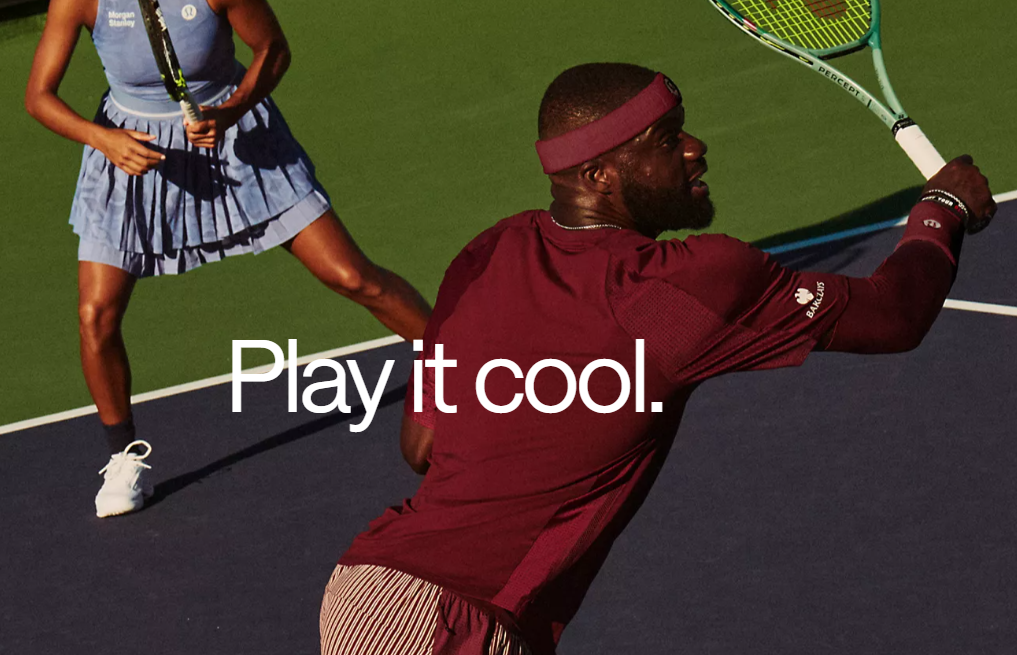
Imagine this: January 2025, the Australian Open. The Melbourne heat is brutal. Frances Tiafoe steps onto the court, but the iconic Nike “Swoosh” is nowhere to be seen. In its place is the minimalist logo you usually spot in high-end yoga studios or premium gyms. Lululemon.
This wasn’t just a kit change; it was a tectonic shift in sports marketing. If you thought Nike was “forever,” 2025 proved you wrong.
Nike’s “Elite Club” Strategy
Let’s be real: Nike started playing a game of survival. In 2024–2025, the brand decided they didn’t need an army of Top 20 players. Instead, they bet the house on the “Two Kings”—Carlos Alcaraz and Jannik Sinner.
For everyone else, including the hyper-charismatic Tiafoe, budgets were slashed. But “Big Foe” isn’t a background character. He chose the path of being a Big Fish in a Small Pond and took his talents to Lululemon.
Not Just a Mannequin, but a Designer
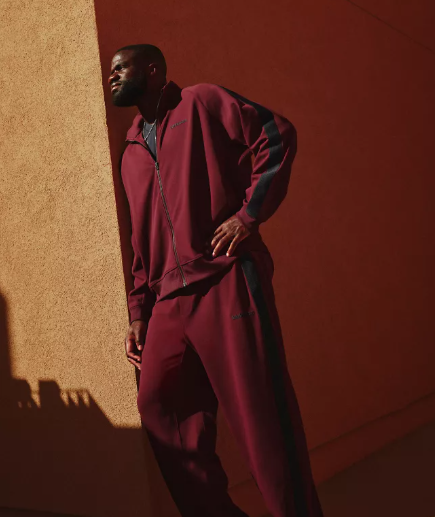
The biggest detail of this contract—one that doesn’t always make the headlines—is that Tiafoe secured creative control. At Nike, you wear what you’re given (usually the same kit as 20 other guys in the draw). At Lululemon, Frances is the main event.
- Storytelling on Fabric: The “DMV Made” collection featuring the coordinates of the Maryland courts where he grew up. It’s not just clothes; it’s a success story fans can actually buy into.
- Roots: For the 2026 season, they developed gear in the colors of the Sierra Leone flag. It’s a powerful tribute to his heritage that makes his brand feel authentic, not manufactured.
The Money Talk: Rumor has it that on top of a base salary (estimated at over $5M per year), Tiafoe’s deal includes “brand equity” bonuses and royalties from
his signature lines. This isn’t just a sponsorship; it’s a full-scale partnership
The Tech Flex: ShowZero
Have you ever seen a pro look like they just jumped in a pool by the end of the third set? Lululemon used Tiafoe to launch their ShowZero technology.
At Indian Wells 2026, he showcased the magic: a fabric that absorbs sweat so effectively the shirt looks bone-dry on the outside. In the world of elite sports, this is a revolution in aesthetics and performance.
Footwear “Freelancing”
The most interesting twist? Footwear freedom. Since Lululemon doesn’t produce professional tennis shoes yet, Frances signed a separate deal with K-Swiss (rocking the Ultrashot 4).
This creates a new precedent for “hybrid contracts.” Now, an athlete can choose the best apparel from one brand and the best performance footwear from another. It’s total control over his on-court setup.
Why does this matter?
The Tiafoe case teaches us one thing: your personality is your biggest asset. Brands aren’t just buying “ad space” on a jersey anymore; they’re buying your story, your vibe, and your energy. Frances isn’t just playing tennis—he’s building a cultural phenomenon.
Sometimes, leaving the comfort zone of giants like Nike is the only way to build an empire of your own.